Essential US Air Travel Regulations You Should Know - Your Ultimate us travel regulations guide

Traveling by air in the United States can be a breeze if you know the rules. But if you don’t, it can quickly turn into a headache. I’ve been there—rushing through security, fumbling with documents, and wondering if I packed something forbidden. That’s why I’m here to share the essential US air travel regulations you should know before your next flight. Think of this as your friendly, no-nonsense us travel regulations guide to help you glide through airports with confidence.
Understanding the Basics: Your us travel regulations guide
Before you even pack your bags, it’s important to understand the core regulations that govern air travel in the US. The Transportation Security Administration (TSA) and the Federal Aviation Administration (FAA) are the two main agencies responsible for keeping air travel safe and smooth.
Here’s what you need to keep in mind:
Identification: You must have a valid government-issued photo ID. For domestic flights, a driver’s license or passport works. Starting May 7, 2025, the REAL ID Act requires travelers to have a REAL ID-compliant license or another acceptable form of ID to board federally regulated commercial aircraft.
Baggage rules: Airlines have their own baggage policies, but TSA sets the security standards. Know what you can and cannot bring in your carry-on and checked bags.
Prohibited items: Sharp objects, liquids over 3.4 ounces (100 milliliters), and certain sporting goods are not allowed in carry-ons.
Security screening: Be prepared to remove shoes, belts, and electronics larger than a cell phone during screening.
Knowing these basics will save you time and stress at the airport.
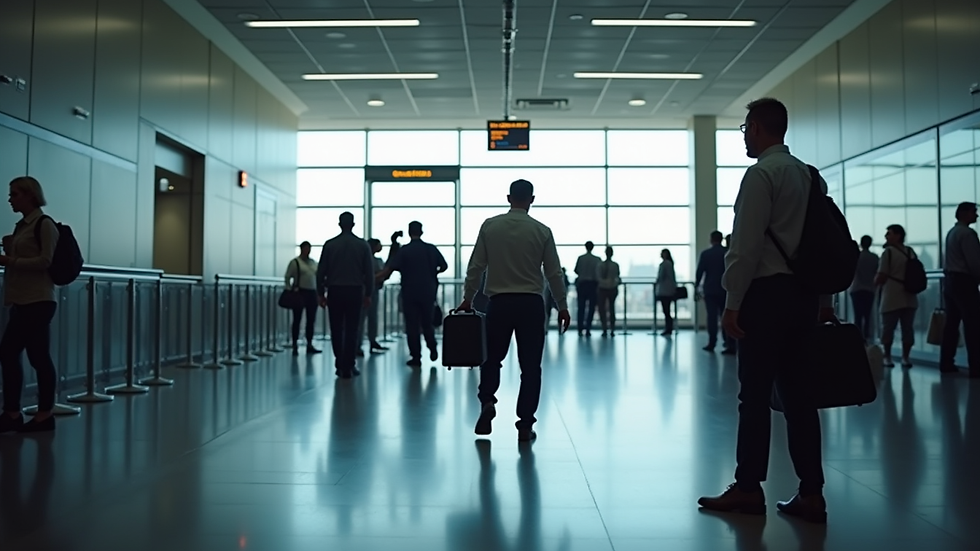
What you need to know about baggage and carry-on regulations
Packing can be tricky when you’re trying to follow all the rules. Here’s a quick rundown of what’s allowed and what’s not:
Carry-on luggage
Size and weight: Most airlines allow one carry-on bag and one personal item (like a purse or laptop bag). Check your airline’s website for exact size limits.
Liquids: The TSA’s 3-1-1 rule means liquids must be in containers of 3.4 ounces or less, all fitting in one clear quart-sized bag.
Electronics: Laptops, tablets, and other large electronics must be taken out of your bag for screening.
Prohibited items: No sharp objects, flammable items, or weapons.
Checked luggage
Weight limits: Usually 50 pounds per bag, but check your airline’s policy.
Prohibited items: Explosives, flammable liquids, and certain batteries are banned.
Fees: Many airlines charge for checked bags, so factor that into your budget.
Pro tip: Always double-check your airline’s baggage policy before you fly. It can save you from surprise fees and delays.

What are the new TSA rules for air travel?
The TSA is always updating its rules to improve security and passenger experience. Here are some of the latest changes you should know:
TSA PreCheck expansion: More airlines and airports now participate in TSA PreCheck, which lets you skip the long security lines. If you travel often, it’s worth applying.
Mask policies: Mask mandates have fluctuated, so check current requirements before you fly.
Enhanced screening technology: New scanners can detect threats without requiring passengers to remove shoes or belts in some cases.
ID requirements: As mentioned earlier, the REAL ID enforcement starts in 2025, so make sure your ID is compliant.
Staying updated on these changes can make your airport experience smoother and less stressful.
Tips for navigating security and customs like a pro
Security lines can be the most nerve-wracking part of air travel. Here’s how to breeze through them:
Organize your documents: Have your boarding pass and ID ready before you reach the checkpoint.
Dress smart: Avoid belts, jewelry, and shoes that are hard to remove.
Pack smart: Keep your liquids bag and electronics accessible.
Know the rules for food and medication: Solid foods are usually fine, but liquids and gels have restrictions. Medications are allowed but should be declared.
Declare items honestly: When returning from international travel, declare all items to customs to avoid fines.
Remember, TSA agents are there to help, so a friendly attitude goes a long way.
What to expect with airline policies and passenger rights
Airlines have their own policies on cancellations, delays, refunds, and overbooking. Here’s what you should know:
Delays and cancellations: Airlines must notify you promptly and offer options like rebooking or refunds.
Overbooking: Airlines can ask for volunteers to give up seats in exchange for compensation.
Bumping: If you’re involuntarily bumped, you’re entitled to compensation.
Accessibility: Airlines must accommodate passengers with disabilities.
Pet travel: Rules vary, so check with your airline if you’re traveling with pets.
Knowing your rights helps you advocate for yourself if things don’t go as planned.
Ready to fly? Here’s your quick checklist
Before you head to the airport, run through this checklist:
[ ] Valid ID (REAL ID-compliant if after May 2025)
[ ] Boarding pass (printed or on your phone)
[ ] Liquids packed in a clear quart-sized bag
[ ] Electronics easily accessible
[ ] Checked baggage within weight limits
[ ] Familiarity with your airline’s policies
[ ] TSA PreCheck membership (optional but recommended)
Following this simple list can make your travel day much smoother.
If you want to dive deeper into the details, check out this comprehensive us air travel regulations guide for the latest updates and tips.
Traveling by air doesn’t have to be stressful. With a little preparation and knowledge of these essential US air travel regulations, you’ll be ready to take off with confidence. Safe travels!
Comments