Your Guide to US Air Travel Rules
- Emilia Cruz

- 1 day ago
- 4 min read
Traveling by air in the US can sometimes feel like navigating a maze. Between security checks, baggage limits, and airline policies, it’s easy to get overwhelmed. But don’t worry - I’m here to break down the essentials of US air travel rules so you can breeze through your next trip with confidence. Whether you’re a first-timer or a seasoned flyer, understanding these regulations will save you time, money, and stress.
Understanding the Basics of US Air Travel Rules
First things first, let’s talk about the core rules that govern air travel in the US. These rules are designed to keep everyone safe and ensure flights run smoothly. The Transportation Security Administration (TSA) and the Federal Aviation Administration (FAA) are the main agencies behind these regulations.
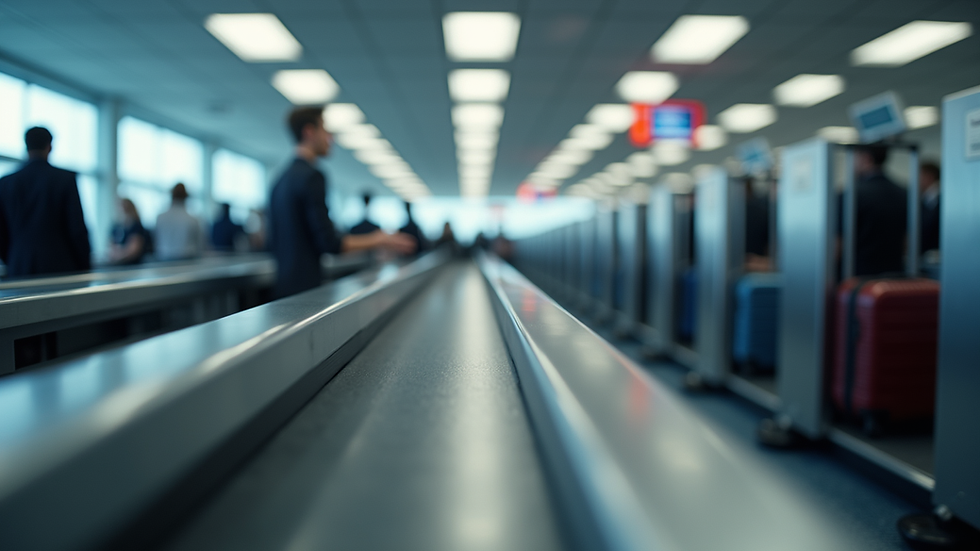
Security Screening
You’ve probably experienced the TSA security checkpoint. Here’s what you need to know:
ID and Boarding Pass: Always have a valid government-issued ID and your boarding pass ready. Without these, you won’t get through.
Liquids Rule: Liquids must be in containers of 3.4 ounces (100 milliliters) or less, all fitting in a single quart-sized clear bag.
Electronics: Laptops and larger electronics need to be taken out of your bag and placed in separate bins.
Prohibited Items: Sharp objects, flammable items, and certain sporting goods are not allowed in carry-on bags.
Pro tip: Wear slip-on shoes and avoid belts with metal to speed up the screening process.
Baggage Allowances and Fees
Each airline has its own baggage policies, but here are some general guidelines:
Carry-On Bags: Usually, one carry-on bag and one personal item (like a purse or laptop bag) are allowed.
Checked Bags: Fees often apply for checked bags, especially on domestic flights. The first bag typically costs around $30-$35.
Weight Limits: Checked bags usually have a weight limit of 50 pounds. Overweight bags can cost extra.
Oversized Bags: Golf clubs, skis, and other large items may require special handling and fees.
Always check your airline’s specific baggage policy before packing to avoid surprises at the airport.
Navigating US Air Travel Rules for Passengers
Now that you know the basics, let’s dive into some passenger-specific rules that can impact your travel experience.
Ticketing and Check-In
Booking your ticket is just the start. Here’s what to keep in mind:
Ticket Changes and Cancellations: Many airlines charge fees for changes or cancellations, but some offer flexible fares or waive fees during special circumstances.
Check-In Times: Domestic flights usually require check-in at least 30 minutes before departure, but it’s safer to arrive 2 hours early.
Online Check-In: Most airlines allow you to check in online 24 hours before your flight. This saves time and lets you choose your seat.
Boarding Procedures
Boarding can be chaotic, but knowing the rules helps:
Boarding Groups: Airlines board passengers in groups based on ticket class, frequent flyer status, or special needs.
Priority Boarding: Some travelers get priority boarding, including families with small children and those needing extra assistance.
Carry-On Size Limits: Even if your bag fits in the overhead bin, airlines may enforce size limits strictly during busy flights.
Special Accommodations
If you have disabilities or medical needs, the Air Carrier Access Act protects your rights. Airlines must provide assistance such as wheelchair services and allow service animals onboard.
What You Need to Know About Security and Safety Regulations
Security and safety are top priorities in US air travel. Here’s a closer look at what’s expected from passengers.
TSA PreCheck and Global Entry
If you fly often, consider TSA PreCheck or Global Entry:
TSA PreCheck: Speeds up security screening by allowing you to keep shoes and laptops in your bag.
Global Entry: Speeds up customs processing for international travelers returning to the US.
Both require an application and background check but can save you tons of time.
Prohibited Items and Carry-On Restrictions
The TSA maintains a list of prohibited items. Here are some common no-nos:
Weapons and Firearms: Strictly prohibited in carry-on bags.
Sharp Objects: Knives, scissors over 4 inches, and box cutters are not allowed.
Flammable Items: Lighters, fireworks, and aerosols are banned.
Food and Drinks: Solid foods are allowed, but liquids must follow the 3-1-1 rule.
Safety Briefings and Compliance
Pay attention to the safety briefing before takeoff. Flight attendants provide important information about seat belts, emergency exits, and oxygen masks. Following their instructions is not just polite - it’s the law.

Tips for Avoiding Common Travel Hassles
Traveling can be stressful, but a few smart moves can make your journey smoother.
Pack Smart: Use a checklist to avoid forgetting essentials or packing prohibited items.
Arrive Early: Give yourself plenty of time for check-in and security.
Stay Informed: Check your flight status and airport alerts before heading out.
Know Your Rights: Familiarize yourself with airline policies on delays, cancellations, and compensation.
Keep Documents Handy: Have your ID, boarding pass, and any travel authorizations easily accessible.
Staying Updated on Changing US Air Travel Rules
Air travel rules can change, especially during events like health crises or security alerts. Here’s how to stay in the loop:
Official Websites: Check TSA and FAA websites regularly.
Airline Communications: Sign up for alerts from your airline.
Travel Forums and Blogs: Follow trusted sources for tips and updates.
If you want a comprehensive resource, this us air travel regulations guide is a great place to start.
Making the Most of Your Flight Experience
Understanding the rules is just the beginning. Here are some extra tips to enjoy your flight:
Choose Seats Wisely: Use seat maps to pick the best spot for comfort or quick exit.
Stay Hydrated: Airplane cabins are dry, so drink plenty of water.
Move Around: On long flights, stretch or walk to avoid stiffness.
Bring Entertainment: Download movies, books, or podcasts before you fly.
By knowing the rules and planning ahead, you’ll feel more relaxed and ready to enjoy your trip.
Traveling by air in the US doesn’t have to be complicated. With a little preparation and knowledge of the key regulations, you can avoid common pitfalls and focus on the excitement of your journey. Keep this guide handy, and you’ll be navigating airports and flights like a pro in no time!


Comments